
Equipment lines
Products
The Ridfinder equipment line covers the two detection layers — portable RID receivers, fixed-site monitoring and RF-spectrum options. Units are built by vetted OEM manufacturing partners to Ridfinder’s specification; we do not operate our own factory. Contracting entity, manufacturer identity, authorisation scope and the warranty/support division are stated in every quotation. Full specifications on request, matched to your site.
Our own line is held to the same evidence standard we apply to third-party equipment: specifications carry the vendor-reported label until field-validated. For third-party comparisons we stay buyer-side and disclose when our own line is one of the candidates.
Three lines, two detection layers
Ranger covers the portable RID layer, Sentinel the fixed layer, and Core adds RF-spectrum detection for aircraft that emit no standard Remote ID. Every line links to a full model page.
Portable RID receivers
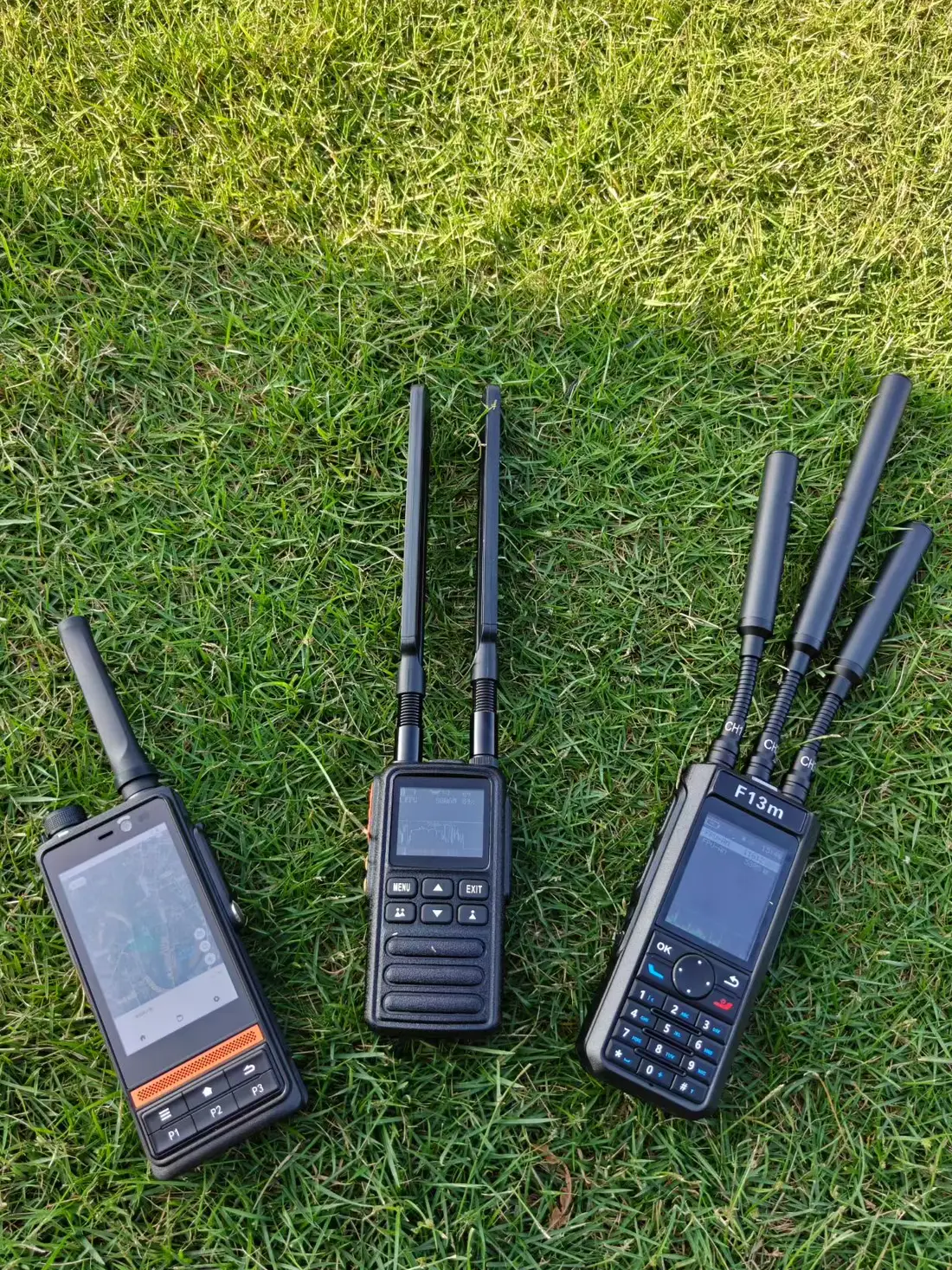
Ranger — Remote ID in hand
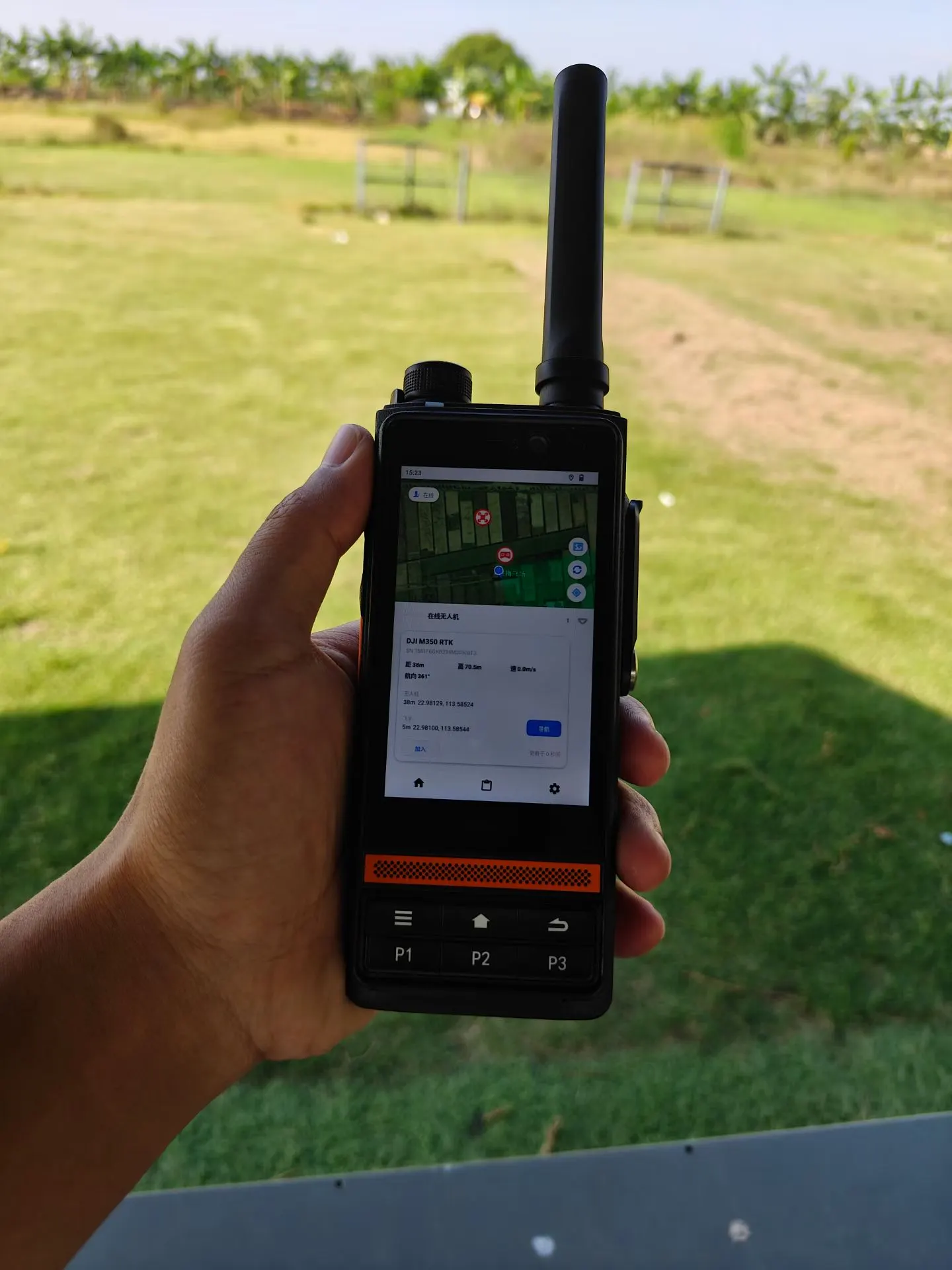
Ranger is the handheld layer of the Ridfinder line. One unit rides in a jacket pocket and shows what is flying, where the drone is and where the pilot stands — live, on a map.
Deploy it on patrol, at a gate, or during a sweep before an event. Positions come from the Remote ID broadcast that most drones now transmit by law across the US, EU, UK and other markets. Specifications are vendor-reported until field-validated; full specifications on request.
- Live drone and pilot positions on a map
- Pocketable, battery powered for a full shift
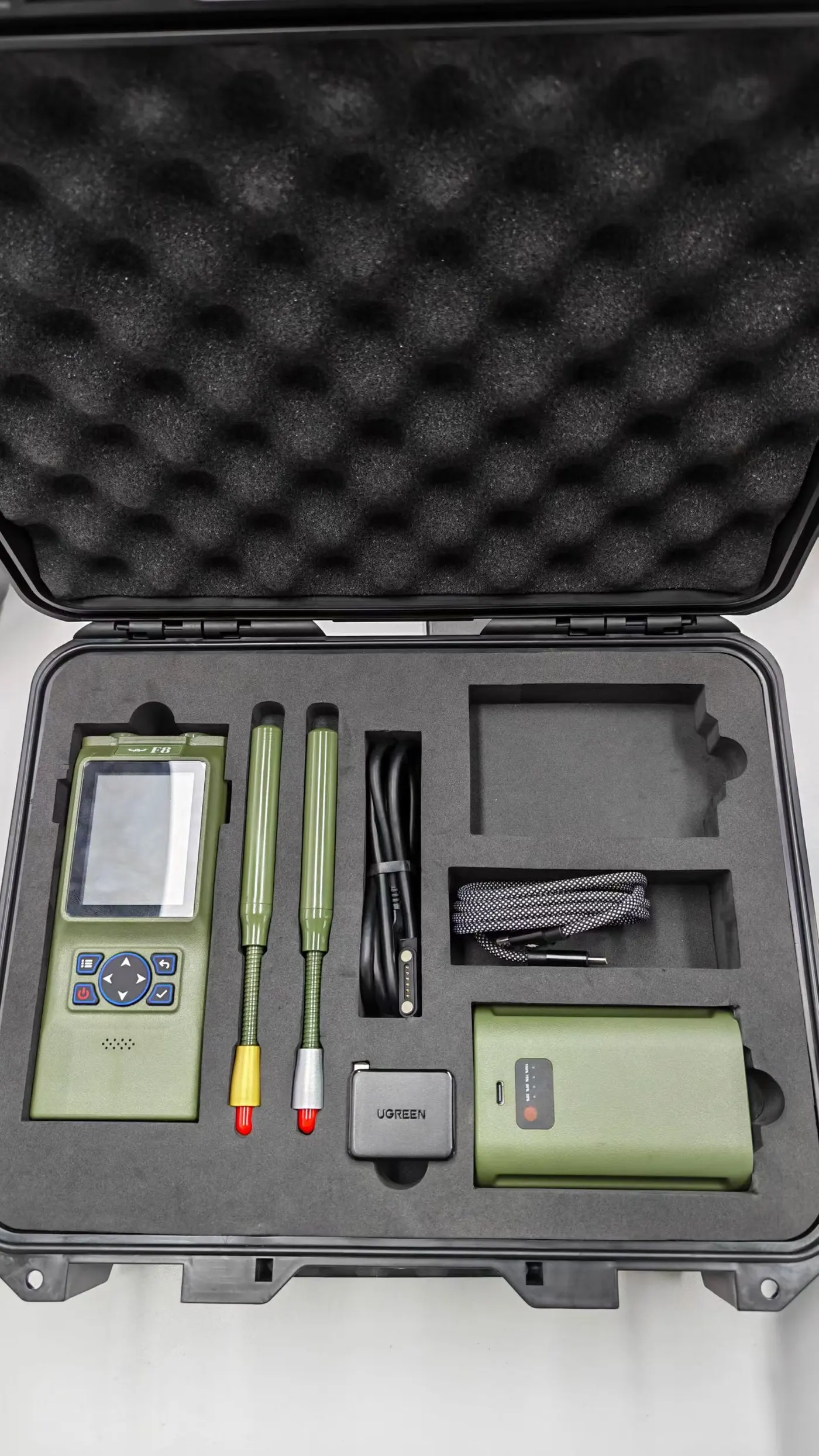
- Hard-case kit with antennas, charging and spares
- Reads Remote ID broadcasts: ASTM F3411 and regional variants
Fixed-site monitoring
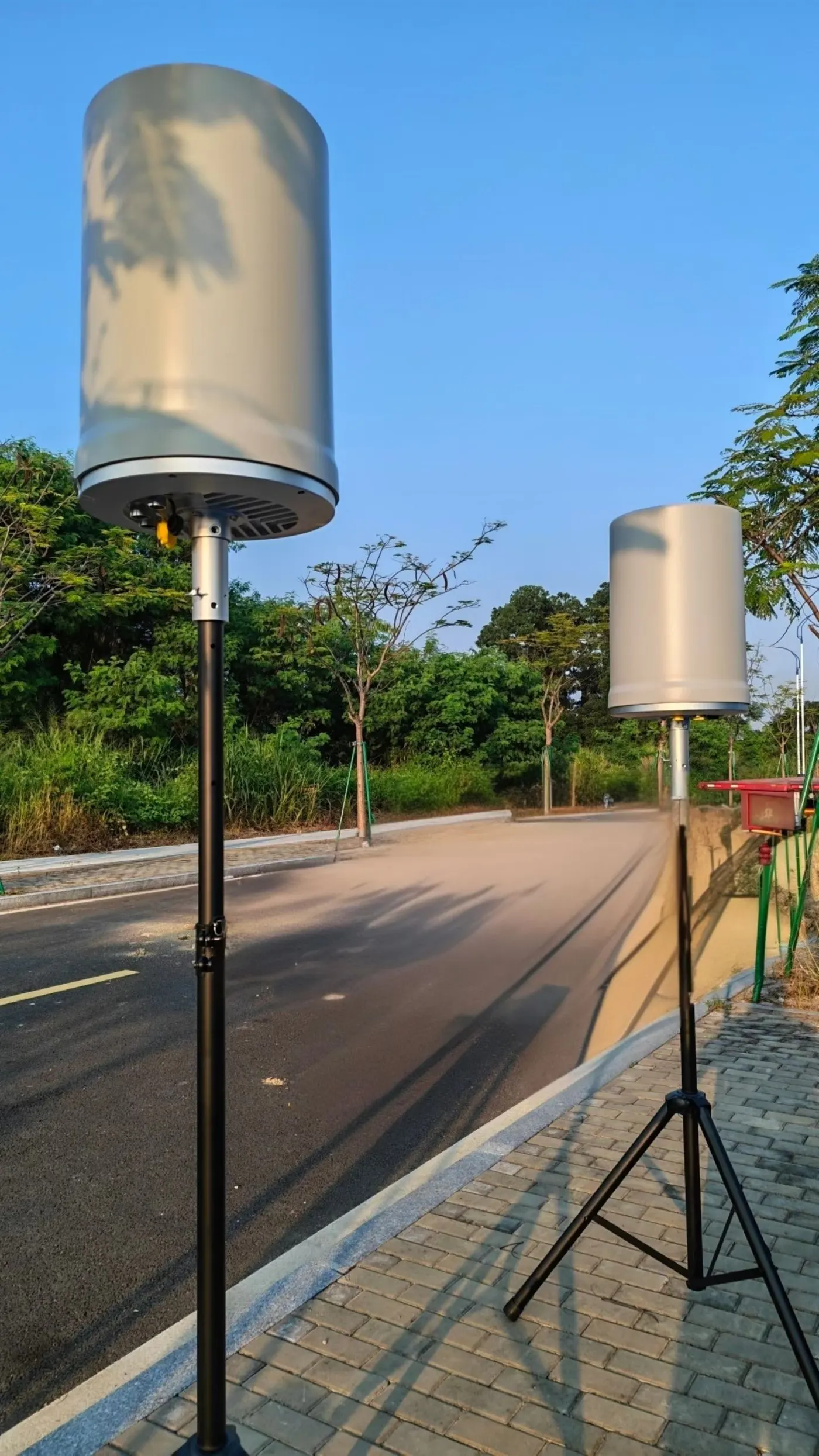
Sentinel — the fixed layer
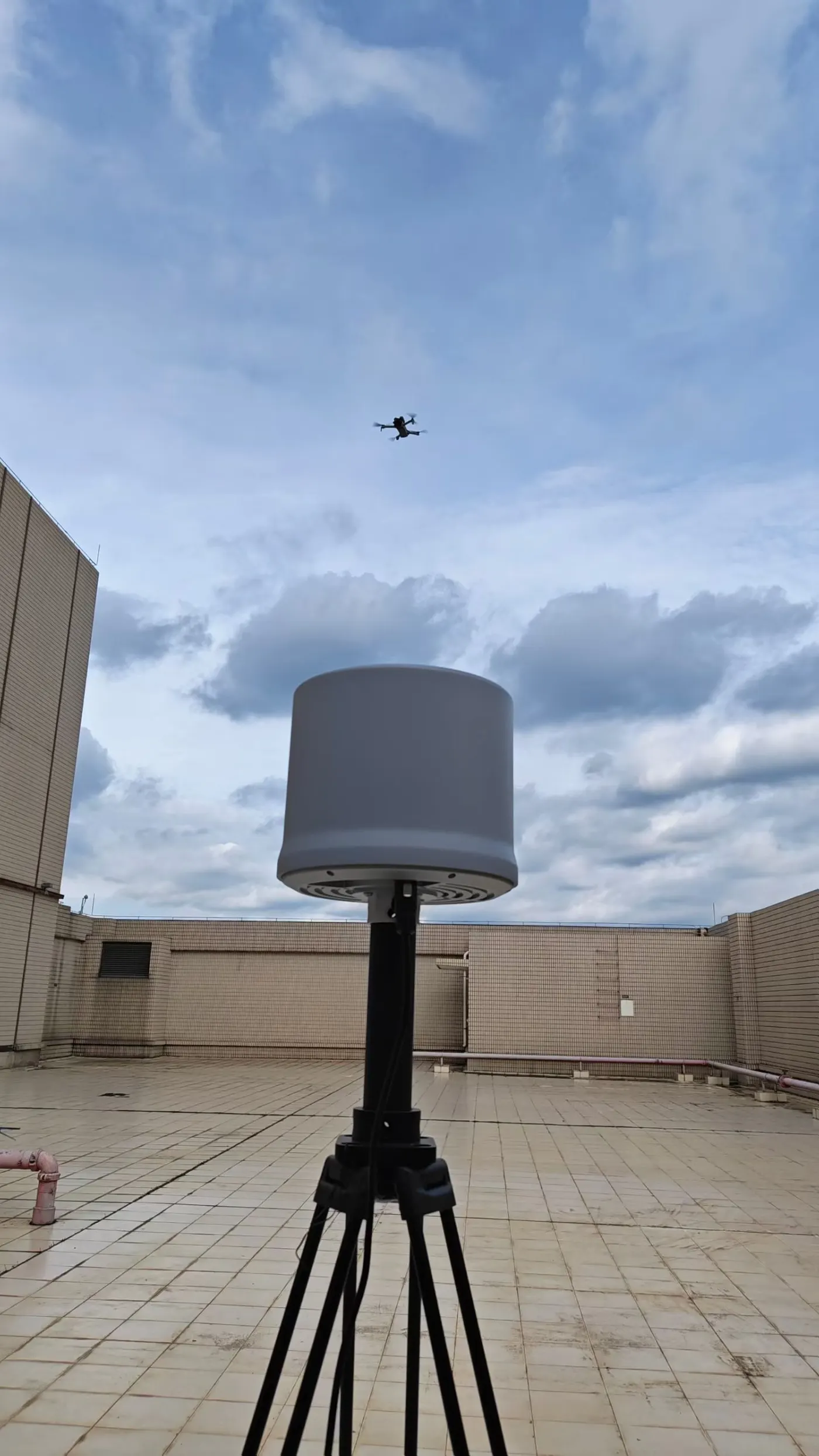
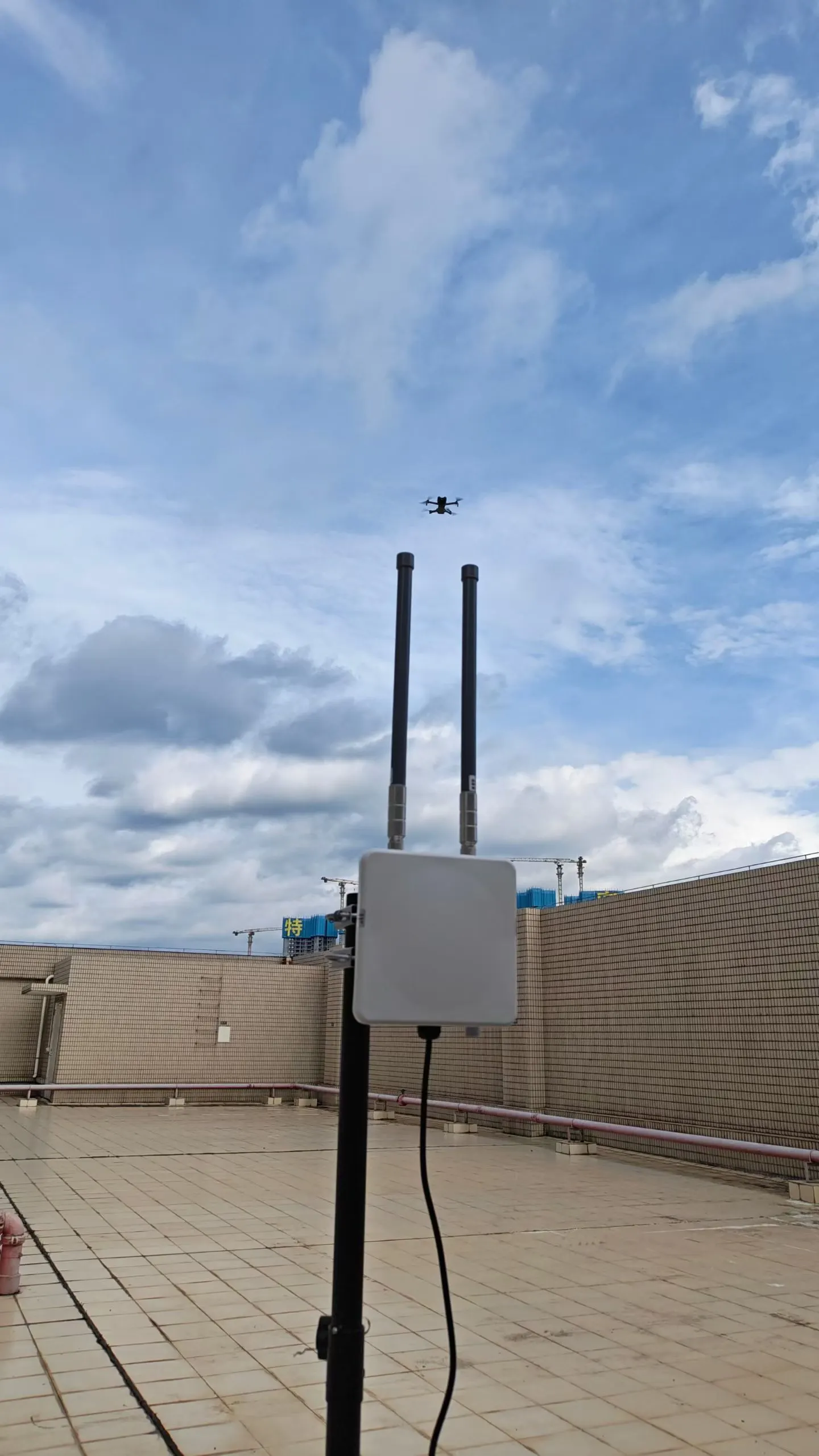
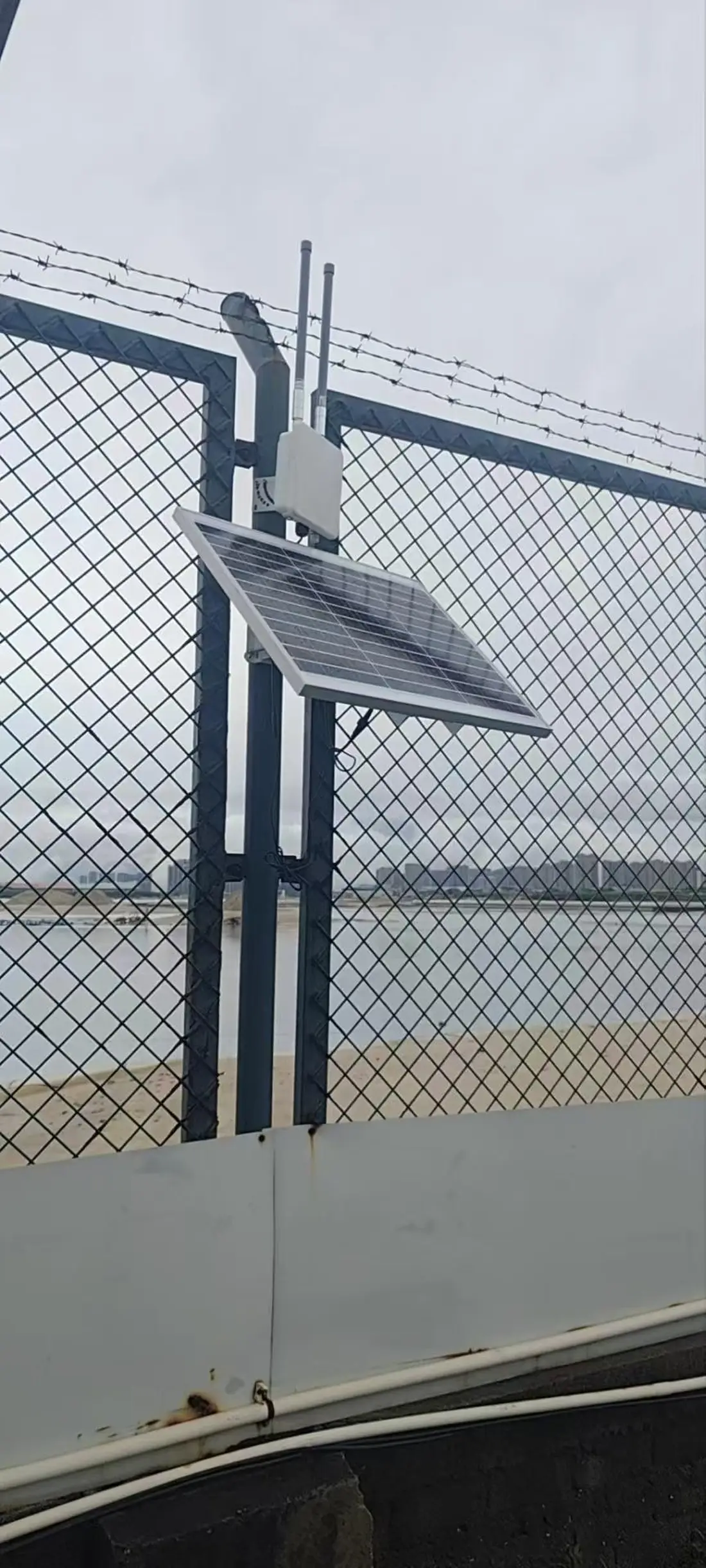
Sentinel watches a site around the clock. Cylindrical sensors read the sky in 360 degrees from a rooftop or a mast; directional panel units extend coverage toward approach paths, gates or blind spots.
Units deploy on tripods for temporary perimeters or mount permanently, and multi-unit installations hand a target off between sensors as it moves. Coverage depends on terrain, RF environment and the aircraft itself — we size it against your site during the fit check, not from a brochure number.
- 360-degree cylindrical and directional panel sensors
- Tripod deployment in minutes; permanent mount options
- Multi-unit handoff across a moving target
- Coverage sizing matched to your site, with assumptions stated
RF-spectrum detection
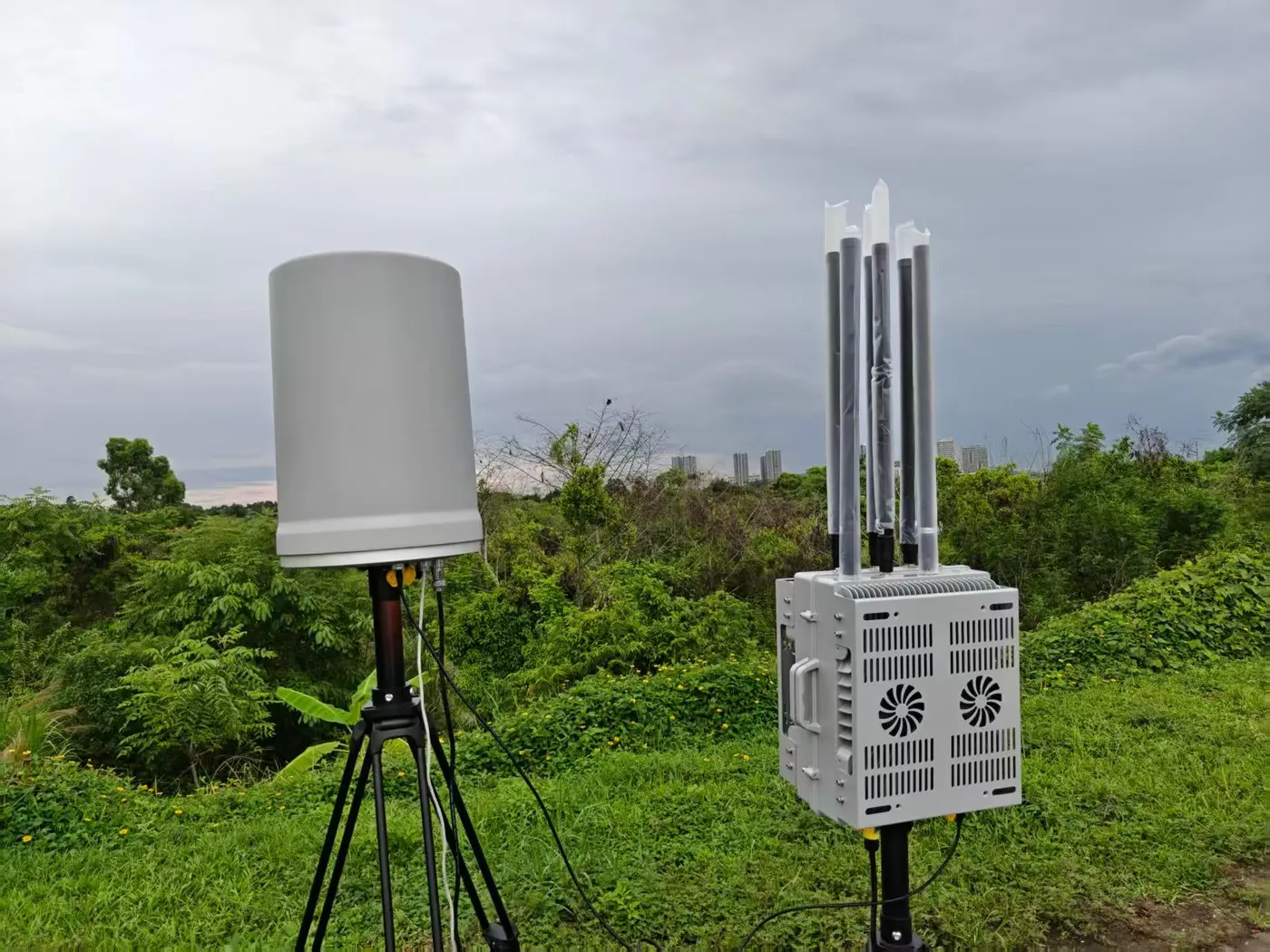
Core — the second layer
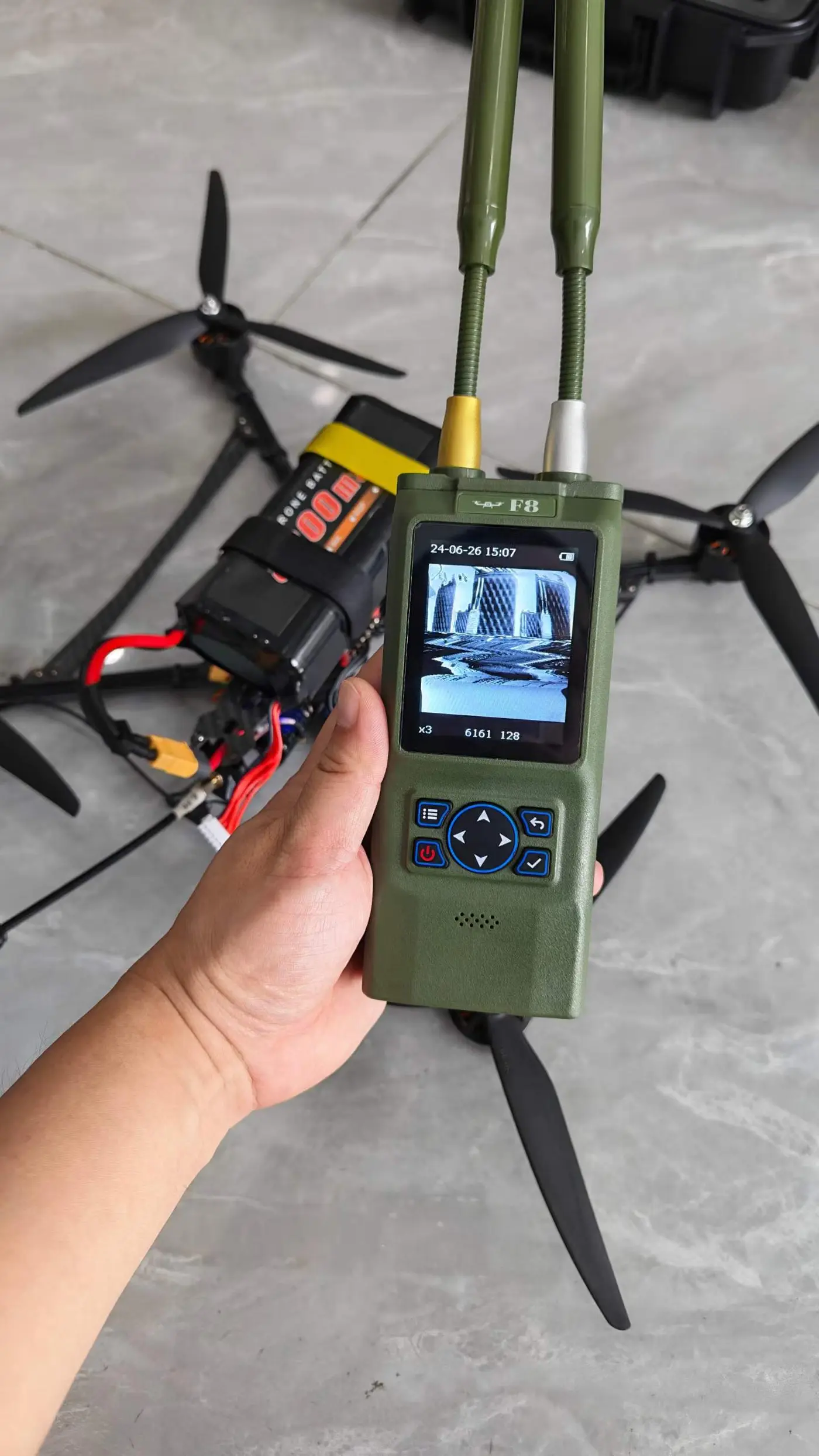
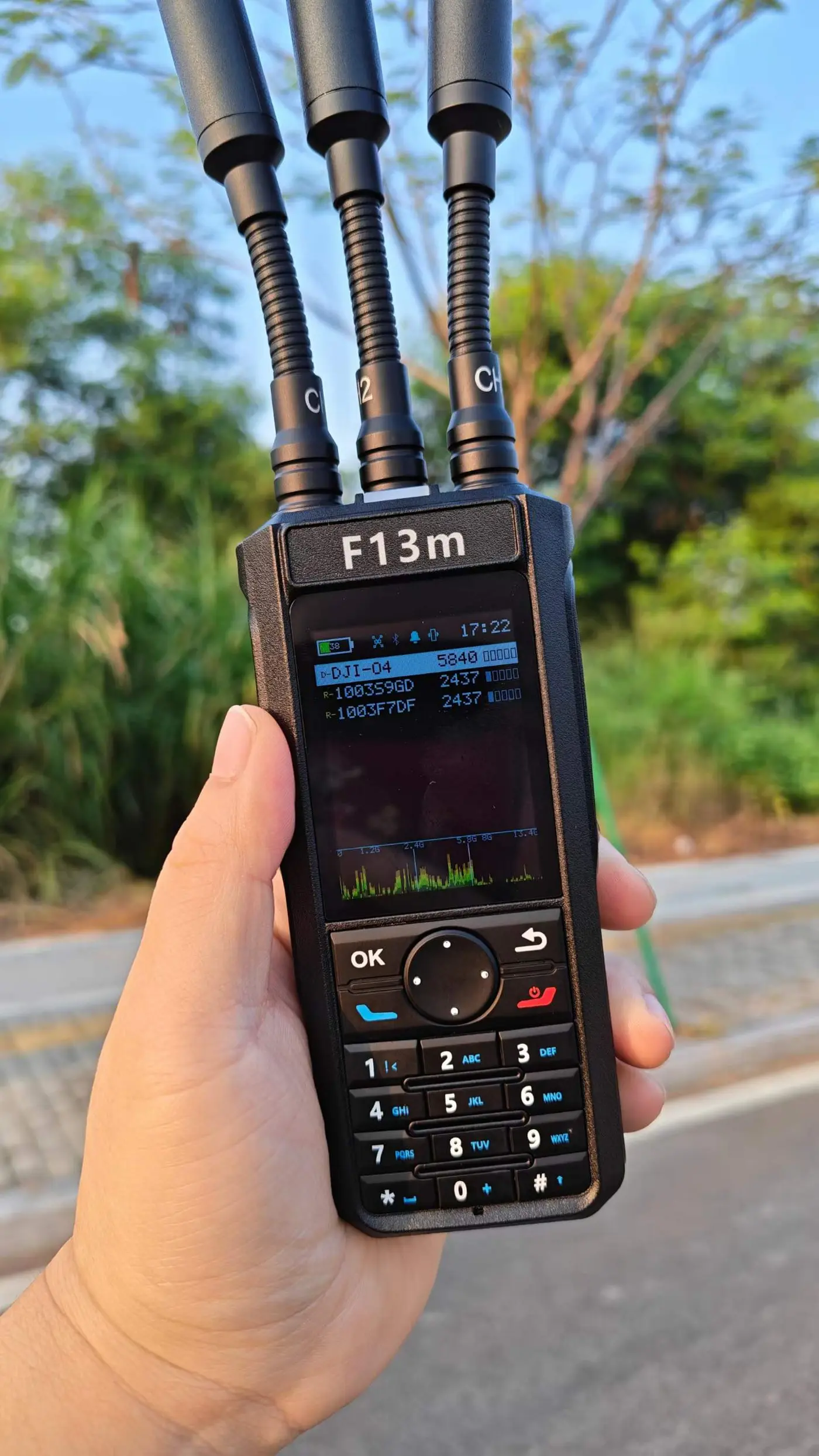
Some aircraft do not broadcast Remote ID. Core adds an RF-spectrum layer that reads the radio the drone itself emits — control link and video downlink — and flags activity the RID layer cannot see.
The portable unit stands beside a Sentinel sensor and is running in minutes, which suits temporary sites, mobile operations and coverage gaps. Classification works by signal pattern; it complements Remote ID rather than replacing it.
- Detects aircraft that emit no standard Remote ID
- Portable five-antenna unit, field-deployable in minutes
- Pairs with Sentinel for layered coverage
- Classification by signal fingerprint (vendor-reported)
Field records
Seen on site
Kit and delivery
Ships as a working kit
Units ship as complete kits: detector, antennas, charging and spares in a single hard case, sealed and inventoried before dispatch. Our own line is built by vetted OEM manufacturing partners to Ridfinder specification; contracting entity, manufacturer identity and the warranty division are stated in every quotation.
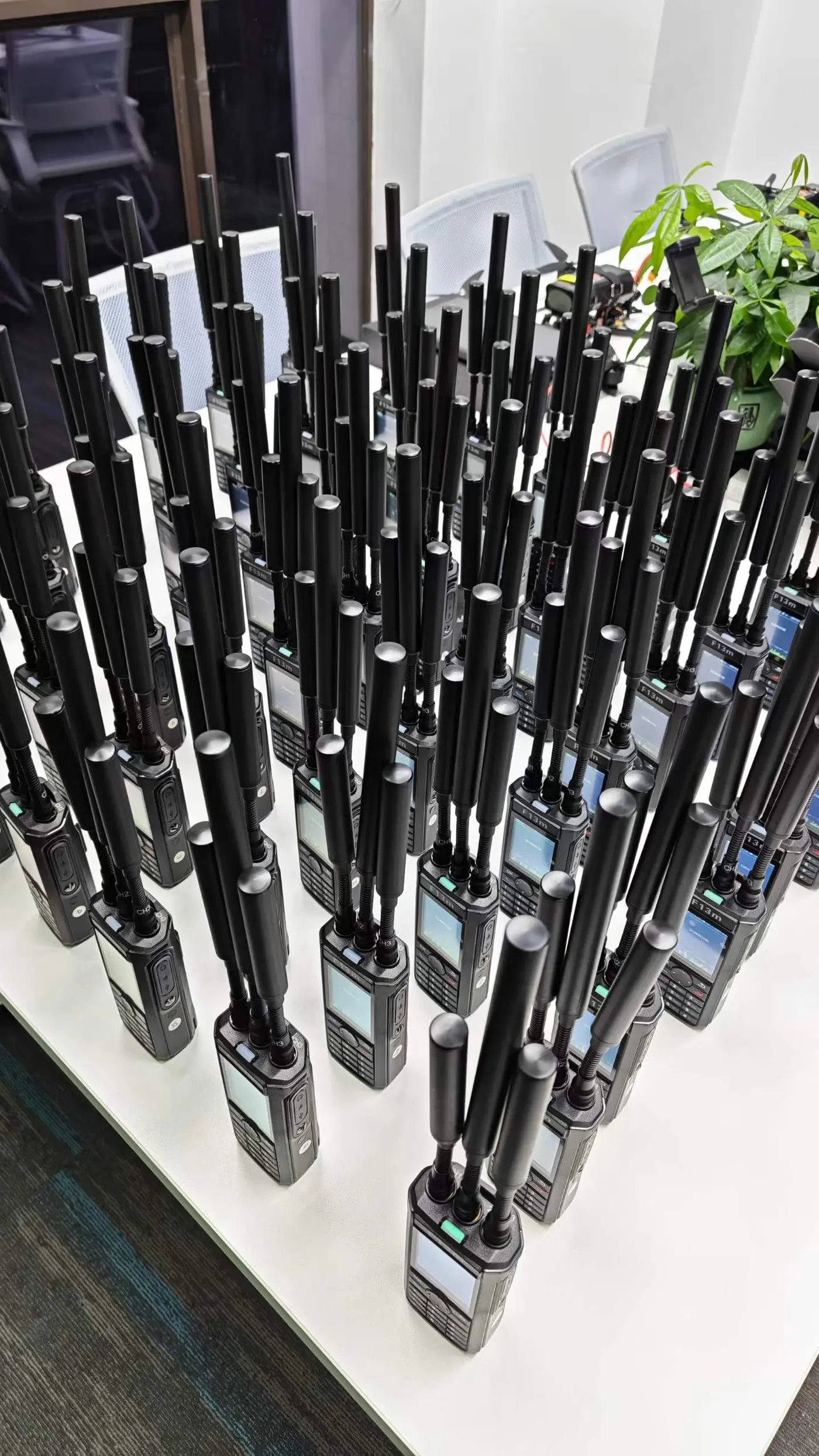
Volume programs, tender bundles and OEM configuration options are quoted separately.
Next step
Not sure which layer fits your site?
Send us the site layout and the question you need answered. The fit check is free, and we will tell you honestly if the answer is not our hardware.